Industrial Roofing Hub
Modern Roofing surveys the roof first, then recommends the correct route.
This page is the industrial roofing hub for Modern Roofing. It brings together the main services in the Industrial Roofing Services dropdown and explains how they fit together.
We do not expect building owners, facilities managers or commercial clients to diagnose their own roof problem. Our approach is survey-led: we assess the roof condition first, then advise whether the best route is repair, refurbishment, overcladding, replacement, gutter lining, roof integrity testing, safety line installation or planned maintenance.
Survey-led, not guess-led
Many industrial roof problems look the same from inside the building. Water can enter at one point, travel through the roof build-up, then appear somewhere completely different internally.
- Roof sheets, laps, fixings and flashings
- Gutters, outlets and drainage routes
- Rooflights, penetrations and detail areas
- Cut edge corrosion and coating breakdown
- Safe access requirements and future maintenance
A Survey-Led Approach to Industrial Roofing
The correct roofing service should come from the condition of the roof, not guesswork. A leak could be caused by a failed fixing, damaged rooflight, blocked gutter, failed flashing, cut edge corrosion, poor drainage, aged membrane or a wider roof defect. That is why Modern Roofing uses a survey-led approach before recommending the next step.
Discuss the issue
We start with the leak history, building use, access, disruption concerns and any previous repair attempts.
Inspect key areas
Roof sheets, membranes, gutters, outlets, flashings, rooflights and plant areas are checked where access allows.
Identify the cause
The aim is to separate local defects from wider roof deterioration, drainage failure or access-related damage.
Recommend the route
We explain whether repair, refurbishment, overcladding, replacement, testing or safety line work should be considered.
Plan the works
Where works proceed, access, sequencing, safety and disruption are considered before the job starts.
The client should not have to choose the technical answer first
This hub is designed to guide clients. They may know they have leaks, ageing roof sheets, unsafe access, blocked gutters or recurring internal staining, but they may not know whether they need a repair, refurbishment, overclad, replacement, gutter lining, roof testing or a safety line. The survey-led approach is what connects the problem to the correct solution.
Industrial Roofing Services Dropdown Explained
The Industrial Roofing Services dropdown brings together the main routes an industrial or commercial roof may need. This hub explains each service in plain language and shows when it may be recommended after a roof survey.
| Dropdown service | What it means | When it may be recommended |
|---|---|---|
| Industrial Roof Surveys | A condition check of the roof covering, gutters, details, rooflights, drainage and visible weak points. | When the issue is unclear, leaks are recurring, or the client needs advice before budgeting works. |
| Industrial Roof Repairs | Targeted repair works to fix local defects such as damaged sheets, fixings, flashings, laps or rooflight details. | When the wider roof is still serviceable and the problem can be dealt with locally. |
| Industrial Roof Refurbishment | Planned improvement works to extend the life of an existing industrial roof. | When the roof is ageing but still suitable for upgrade rather than full replacement. |
| Industrial Roof Overcladding | A new external roof covering installed over a suitable existing roof. | When reduced disruption is important and the existing roof/structure is suitable for an overclad approach. |
| Industrial Roof Replacement | Removal and renewal of the roof covering where repair or refurbishment is not sensible. | When the roof is beyond practical repair or unsuitable for overlay/refurbishment. |
| Industrial Gutter Lining | Lining works to gutters, joints, outlets and drainage channels. | When water ingress is linked to gutter failure, poor drainage, failed joints or ageing gutter details. |
| Roof Integrity Testing | Testing to help locate water ingress or check roof integrity. | When the leak source is not obvious, or where confirmation is needed after roof works. |
| Safety Line Installation | Roof safety line systems and horizontal lifelines for planned roof access. | When future roof access is needed for inspections, gutter cleaning, plant maintenance or repairs. |
| Warehouse Roofing | Roofing support for large warehouse roofs, rooflights, gutters, plant areas and access routes. | When large roof areas need inspection, repair, refurbishment or planned maintenance. |
| Factory Roofing / Factory Roof Repairs | Roof repair and maintenance support for factories and production environments. | When roof works need planned around live operations, safety, access and disruption. |
| Commercial Roofing | Roofing works for offices, retail units, estates, schools, public-sector and occupied commercial premises. | When the building is commercial rather than heavy industrial, but still needs planned roofing support. |
| Cut Edge Corrosion Repair | Treatment and coating work to exposed metal roof sheet edges where corrosion has started. | When metal roof sheet edges are deteriorating but the roof may still be suitable for repair or coating. |
Service Pages Connected to This Hub
These are the main industrial roofing service pages linked from the dropdown menu. A client can click the relevant service if they already know what they want, but the preferred route is still to assess the roof first and recommend the right option.
Industrial Roof Surveys
Condition reports, leak investigation, maintenance planning and budget advice before larger works are considered.
View surveys page → Local defectsIndustrial Roof Repairs
Repairs to leaks, damaged sheets, failed flashings, fixings, rooflights and other local roof defects.
View repairs page → Upgrade routeIndustrial Roof Refurbishment
Planned improvement works where the roof may be suitable for upgrade rather than full replacement.
View refurbishment page → Metal roof optionIndustrial Roof Overcladding
An external upgrade route for suitable metal or asbestos cement roofs where reduced disruption is important.
View overcladding page → End of life roofsIndustrial Roof Replacement
For roofs that are too deteriorated, damaged or unsuitable for sensible repair or refurbishment.
View replacement page → Drainage issuesIndustrial Gutter Lining
For leaking gutters, failed joints, ageing valley gutters, blocked outlets and roof drainage problems.
View gutter lining page → Leak checksRoof Integrity Testing
Testing and leak detection where the water entry point is not obvious or roof integrity needs checked.
View roof testing page → Safe roof accessSafety Line Installation
Roof safety line systems and horizontal lifelines for planned inspection, maintenance and future roof access.
View safety line page → Large roof areasWarehouse Roofing
Roofing works for warehouse buildings with large roof areas, gutters, rooflights, access issues and plant areas.
View warehouse page → Production sitesFactory Roof Repairs
Roof repair and maintenance works for factories and production environments where planning matters.
View factory repairs page → Business premisesCommercial Roofing
Roofing support for offices, retail units, public-sector buildings, schools, estates and occupied premises.
View commercial page → Metal sheet edgesCut Edge Corrosion Repair
Repair and coating support for metal roof sheet edges affected by corrosion and coating breakdown.
View cut edge page →Roof Areas We Commonly Assess
A proper industrial roof assessment looks beyond the internal drip position. Water can enter through one area, travel along sheets, insulation, decking or steelwork, then appear inside at another location.
Roof sheets or membrane
Existing sheets, membranes, laps and surface condition help determine whether repair or wider refurbishment is sensible.
Gutters and outlets
Blocked outlets, failing joints, poor falls and ageing gutters can cause major water ingress even when the roof covering looks sound.
Rooflights
Ageing rooflights, fixings, seals and surrounding details are common weak points on industrial roofs.
Flashings and details
Upstands, penetrations, abutments, laps and edge details are checked because small detail failures can cause repeated leaks.
Cut edge corrosion
Metal sheet edges can deteriorate over time. Early treatment may help avoid wider sheet replacement where the roof is suitable.
Plant and access routes
Maintenance traffic, plant areas and access routes can affect roof condition and future safety planning.
Likely Routes After a Survey
The recommended route should come from the roof condition, building use and access requirements. Some roofs only need local repair; others need a planned refurbishment, overclad, replacement or safe-access strategy.
| Recommended route | Typical reason | Related page |
|---|---|---|
| Targeted repair | The defect is localised and the wider roof is still serviceable. | Industrial Roof Repairs |
| Survey and report | The condition is unclear or the client needs a written view before budgeting works. | Industrial Roof Surveys |
| Roof refurbishment | The roof has wider ageing or repeated issues but may still be suitable for upgrade. | Industrial Roof Refurbishment |
| Overcladding | The existing roof is suitable for a new external covering and reduced disruption matters. | Industrial Roof Overcladding |
| Roof replacement | The roof is too deteriorated or unsuitable for a sensible repair/refurbishment approach. | Industrial Roof Replacement |
| Gutter lining | The issue is linked to gutters, outlets, joints, drainage capacity or ageing gutter details. | Industrial Gutter Lining |
| Roof integrity testing | The source of the leak is unclear or integrity needs checked after works. | Roof Integrity Testing |
| Safety line installation | The building needs safer planned roof access for inspection, maintenance or future works. | Safety Line Installation |
Safety Line Installation as Part of Roof Planning
Industrial and commercial roofs often need future access for inspections, gutter cleaning, roof repairs, plant maintenance and planned surveys. Safety line systems can be considered where regular roof access is expected.
Survey-led access advice
Safety line requirements are best considered alongside the roof layout, access points, rooflights, gutters, plant areas, edge risks and likely maintenance routes. This means safe access can be planned as part of the wider roof strategy rather than treated as an afterthought.
Industrial Roofing Service Examples
These examples show the type of industrial roof areas that may be assessed as part of repair, refurbishment, overcladding, access or maintenance planning.
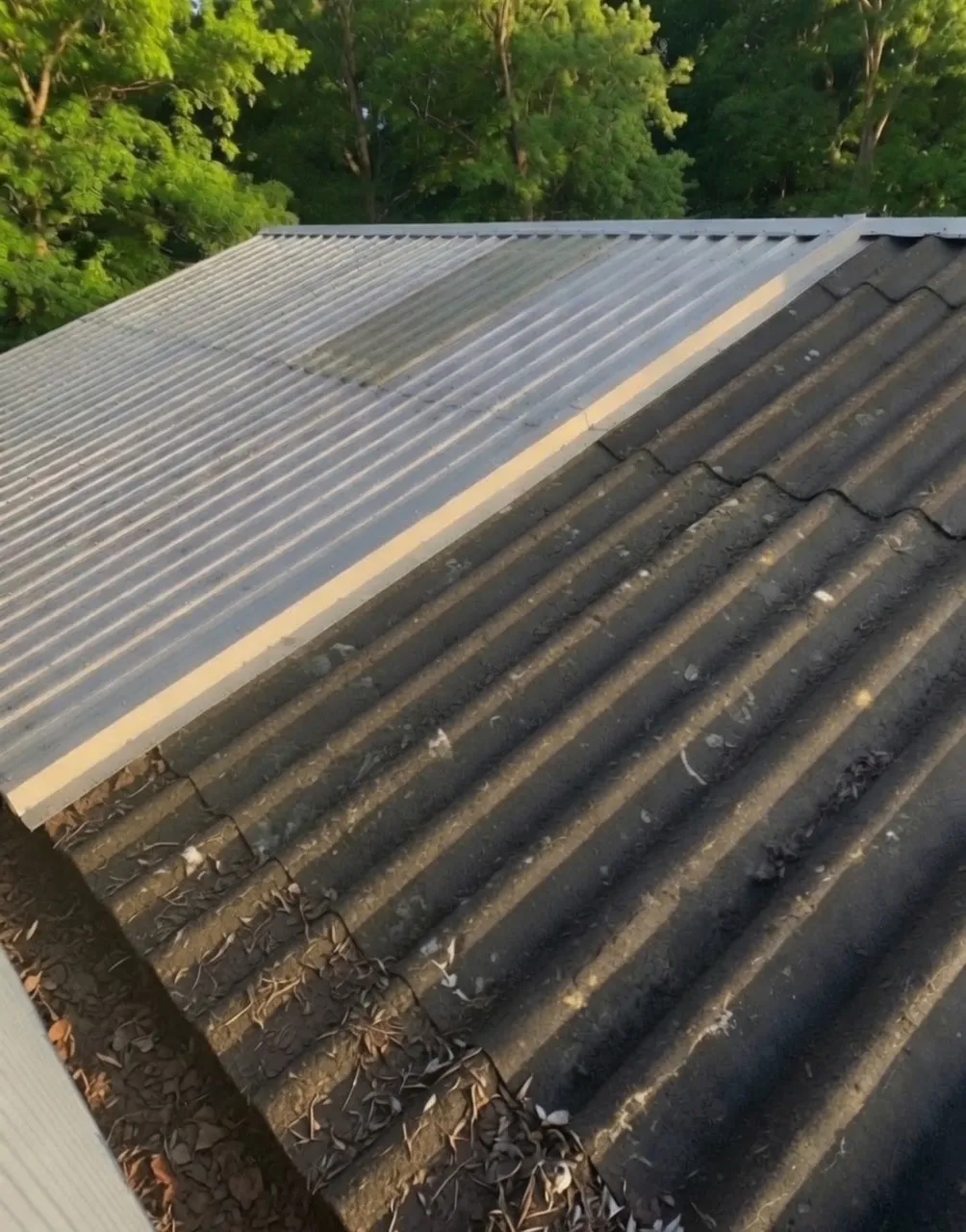
Metal roof assessment
Existing metal and asbestos cement roofs can be assessed for repair, overcladding or replacement options.
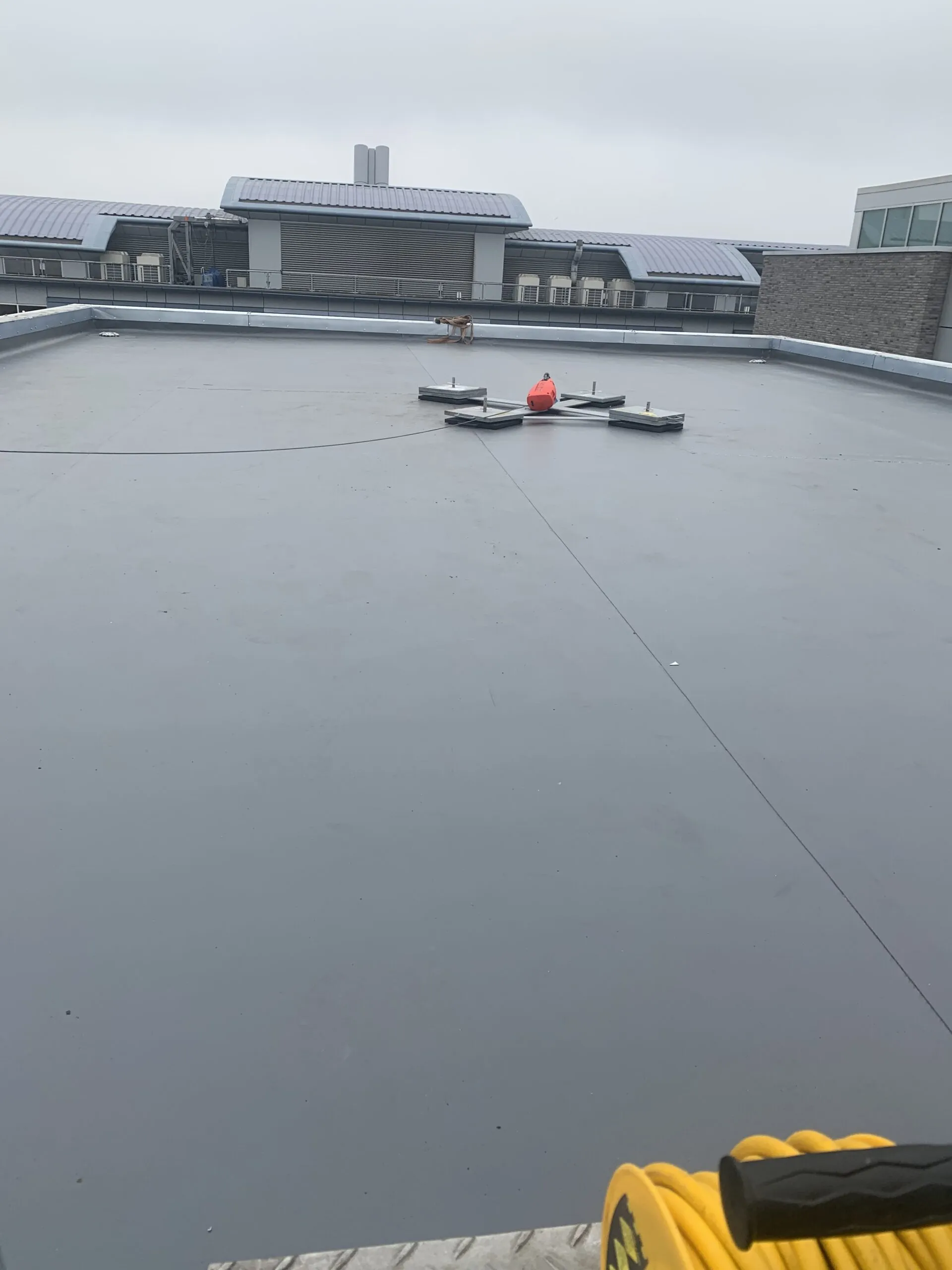
Refurbishment assessment
Some roofs can be refurbished after the condition of the build-up, drainage and details has been checked.
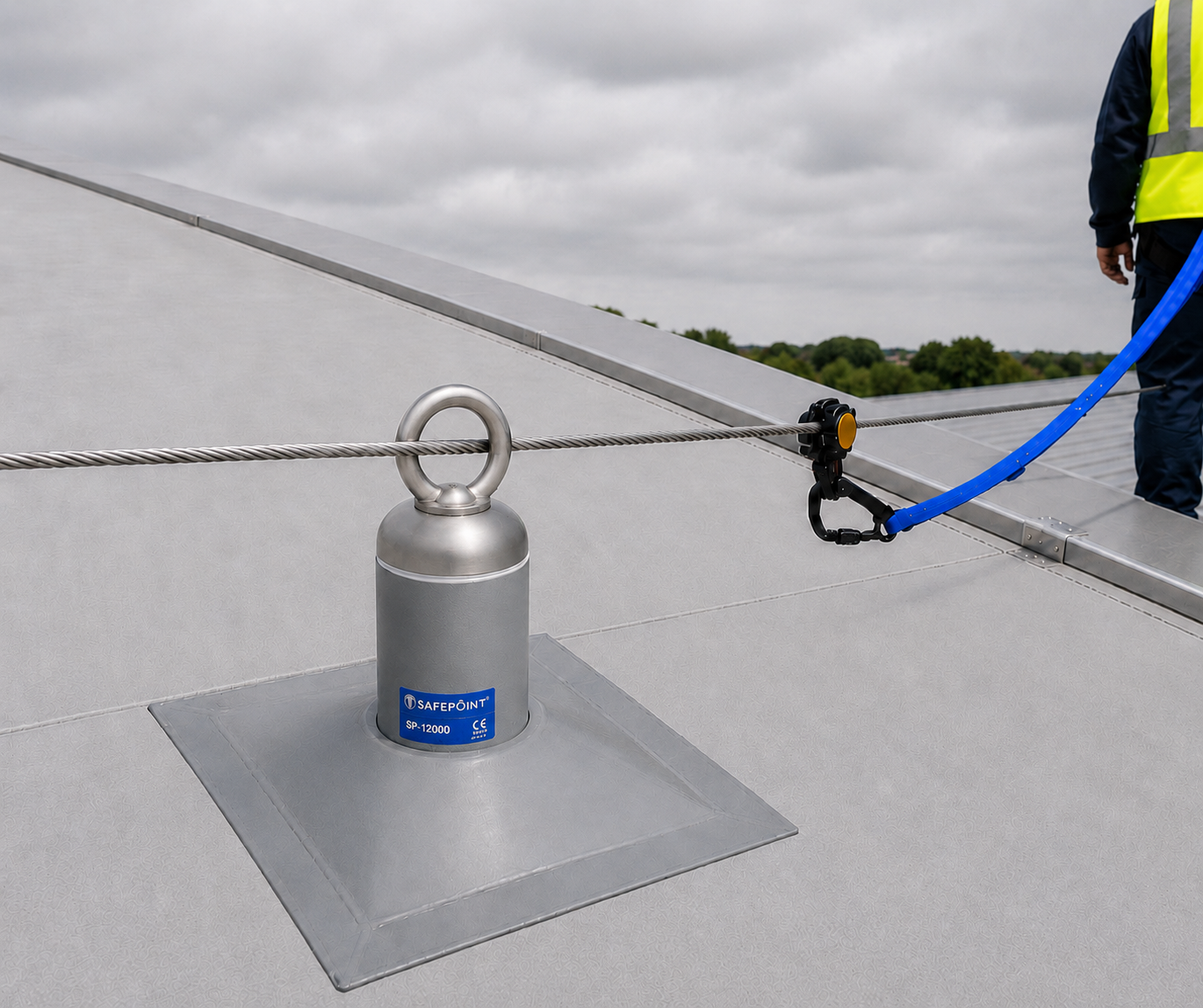
Access and safety
Safety line systems may be considered where roof access is needed for future inspection and maintenance.
Need an industrial roof assessed?
Send a few photos, explain the issue and Modern Roofing can advise whether the next step should be a survey, repair, refurbishment, gutter lining, roof testing, safety line enquiry, overcladding review or replacement discussion.
Industrial Roofing Services FAQs
Why start with a roof survey?
A survey helps identify whether the problem is localised, linked to drainage, caused by roof details or part of wider roof deterioration. It gives the client a clearer route before money is spent on the wrong fix.
Do I need to know which industrial roofing service I need?
No. The point of the survey-led approach is that Modern Roofing assesses the roof first, then recommends whether repair, refurbishment, overcladding, replacement, gutter lining, testing or safety line work should be considered.
Can a leaking industrial roof always be repaired?
Some leaks can be repaired locally, but repeated leaks, ageing roof sheets, failed gutters or widespread deterioration may need a more planned refurbishment or replacement strategy.
When is roof integrity testing useful?
Roof integrity testing may be useful when the source of water ingress is unclear or when the roof needs checked after works.
When should safety line installation be considered?
Safety line installation should be considered where regular roof access is needed for inspections, plant maintenance, gutter cleaning or future roof works.